
Happy 4th Y’all
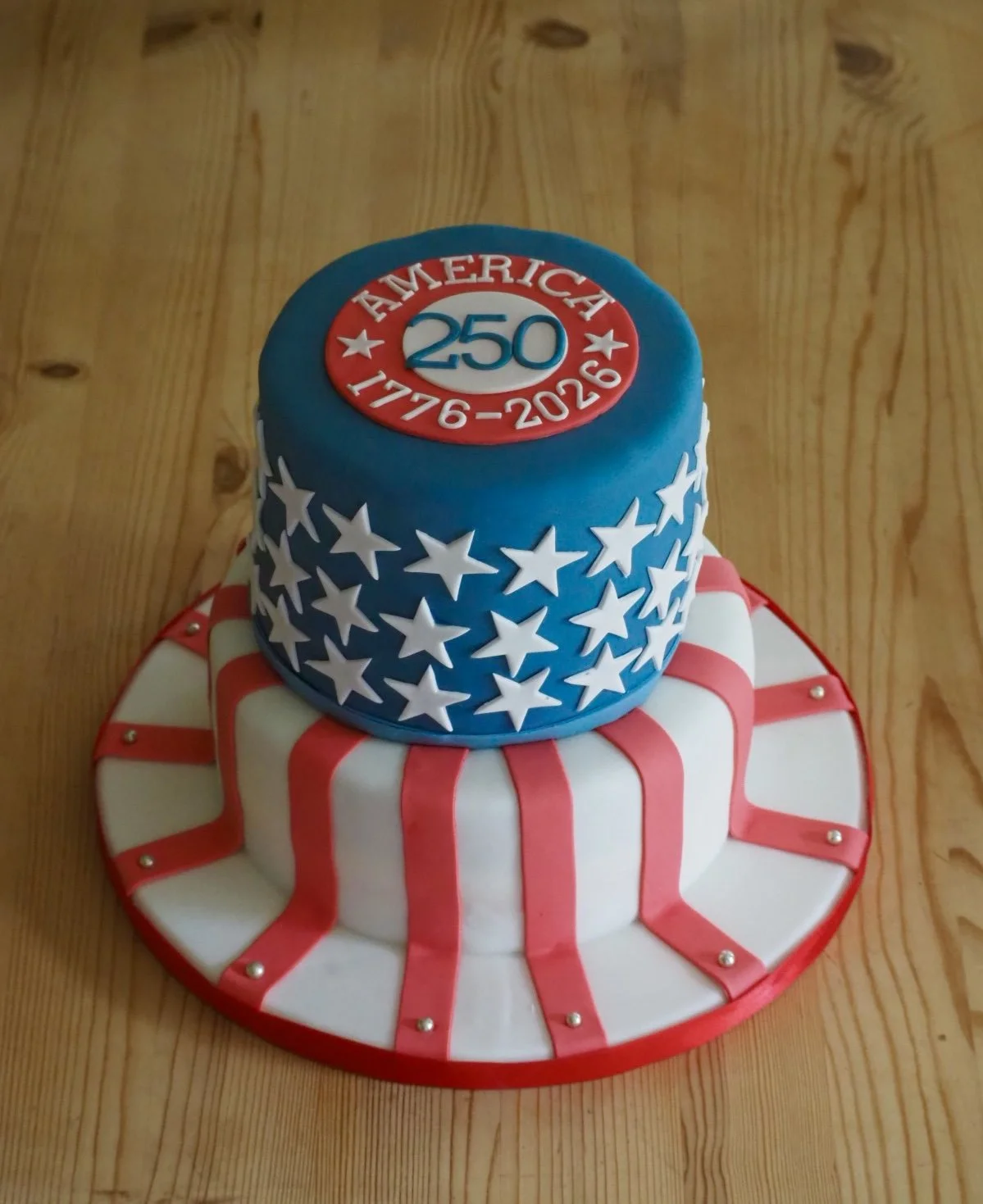
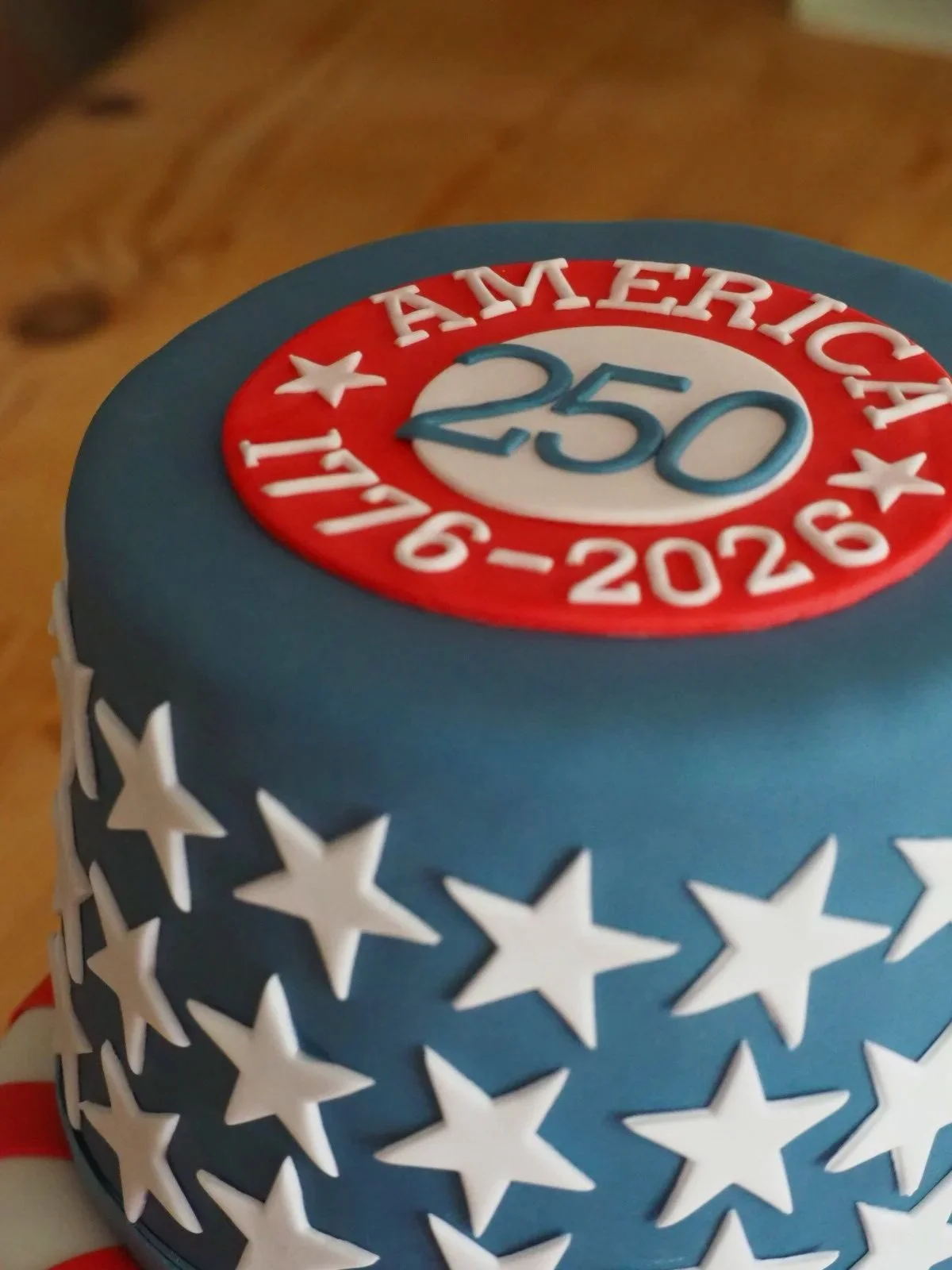
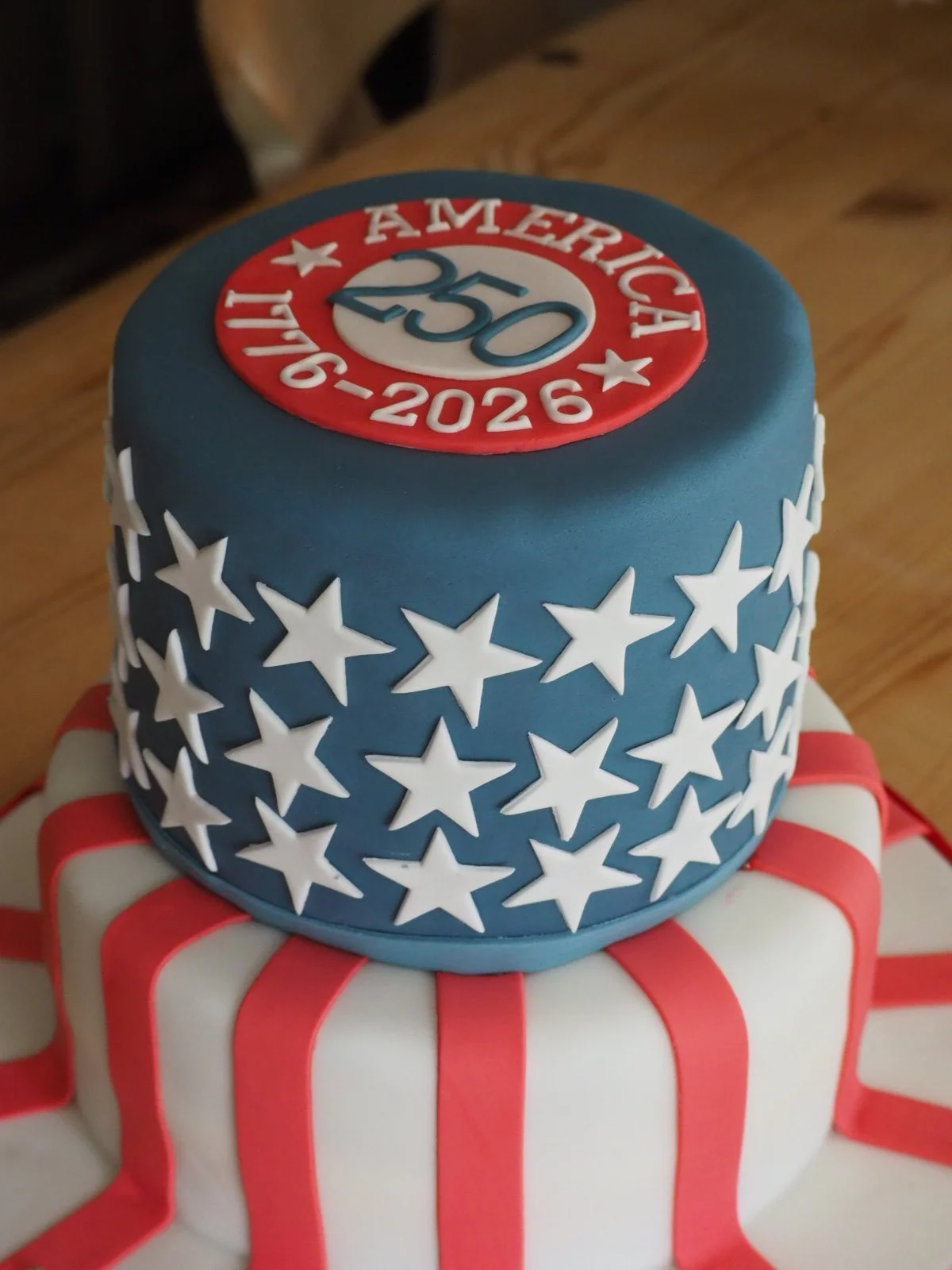
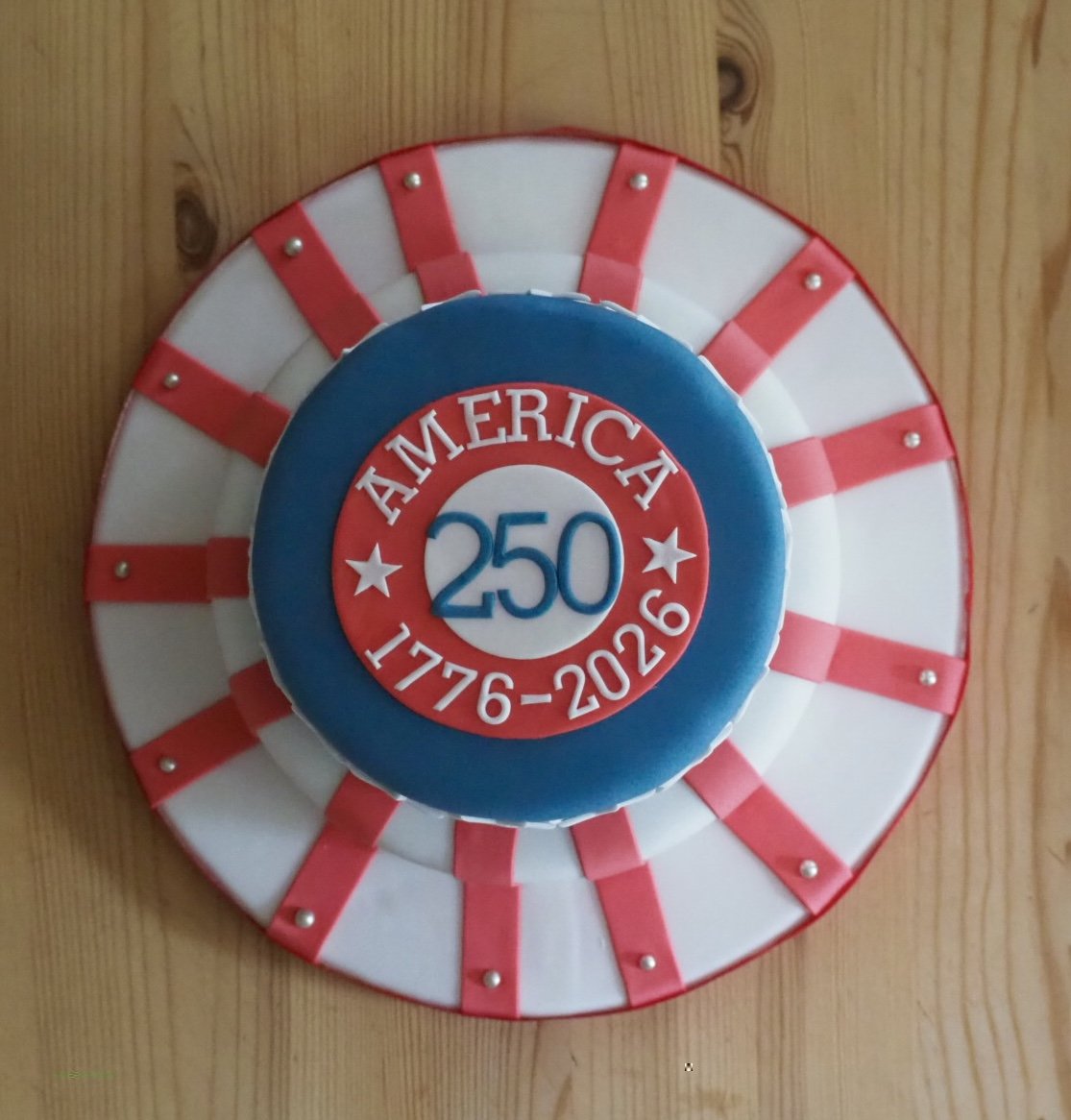
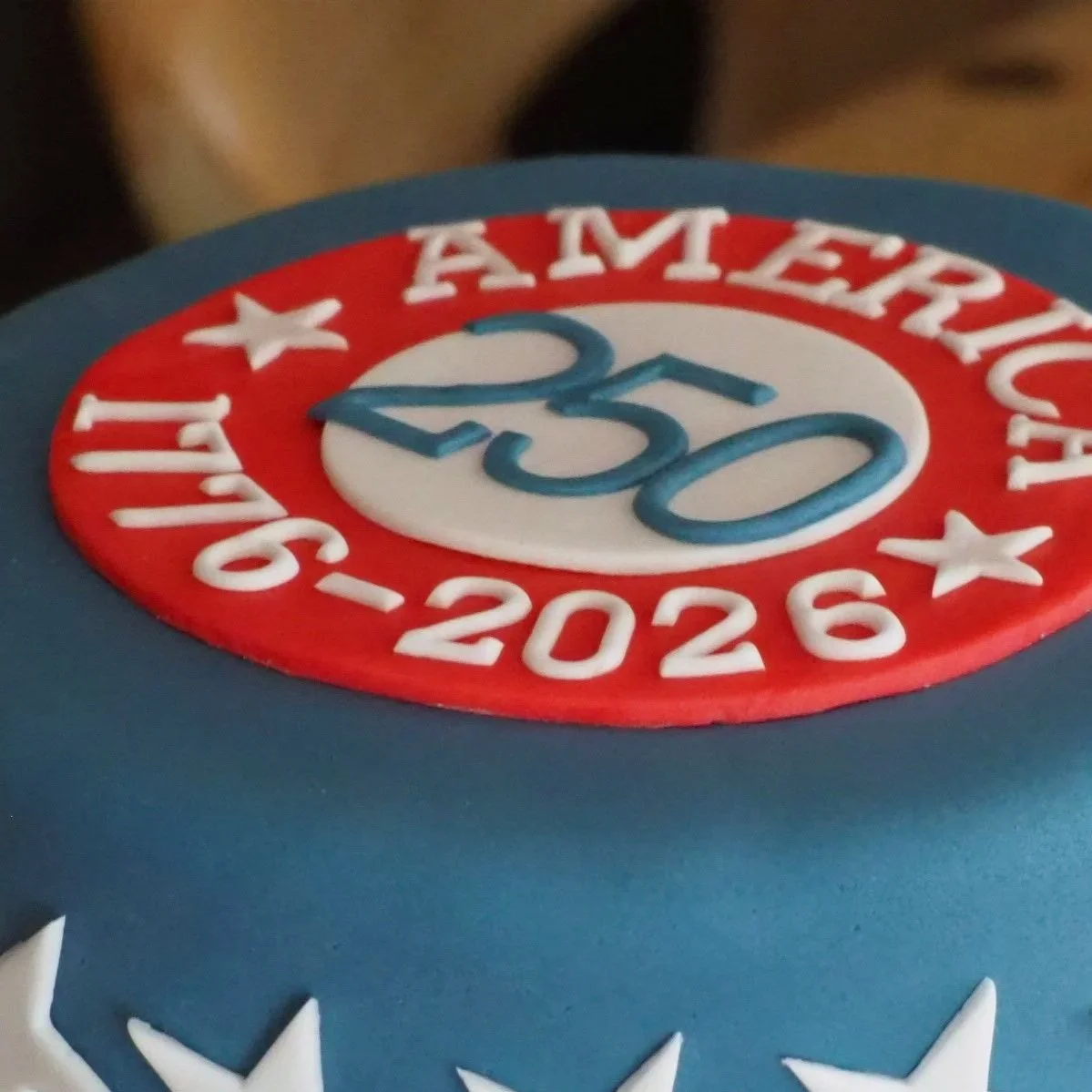
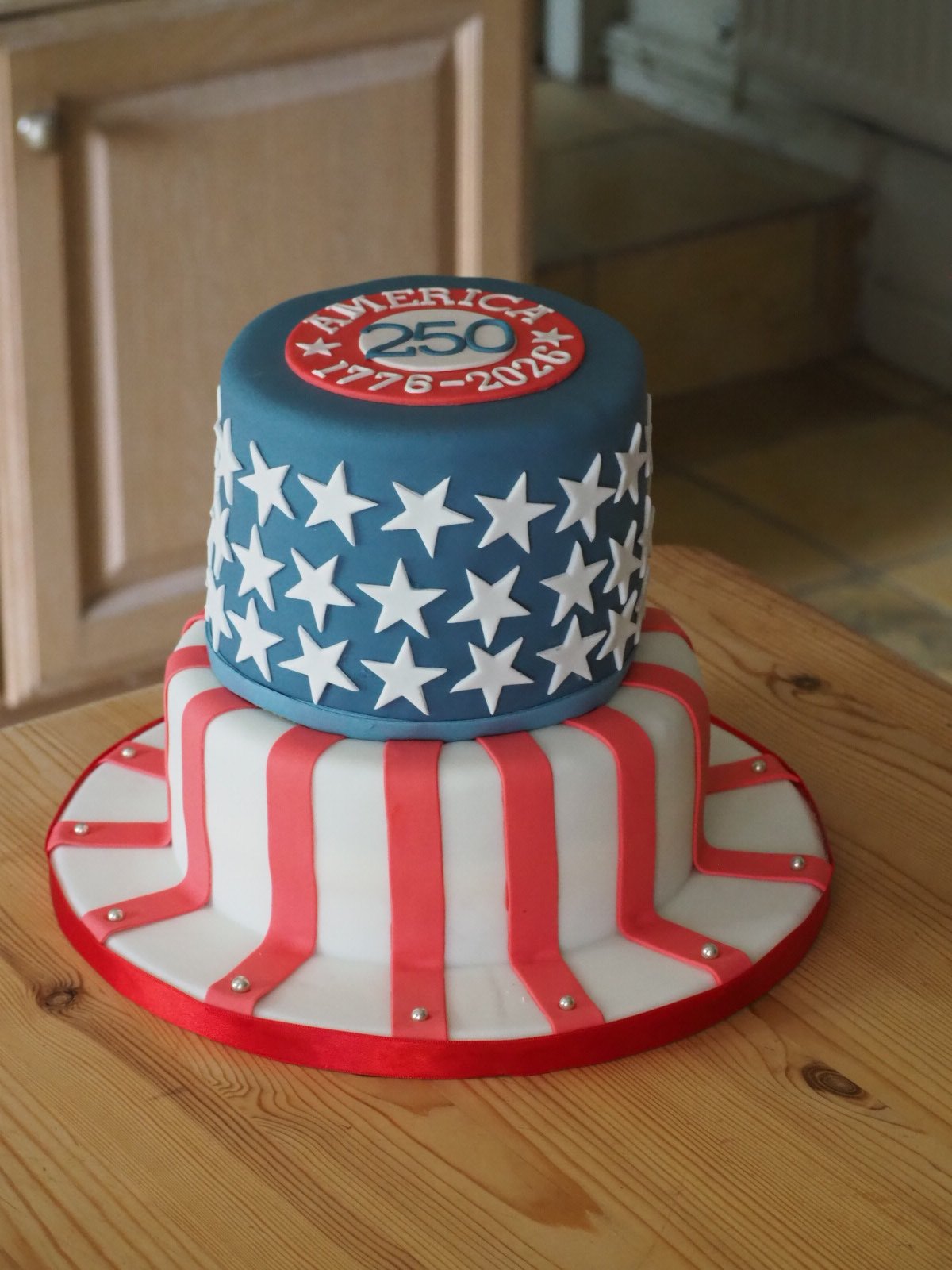
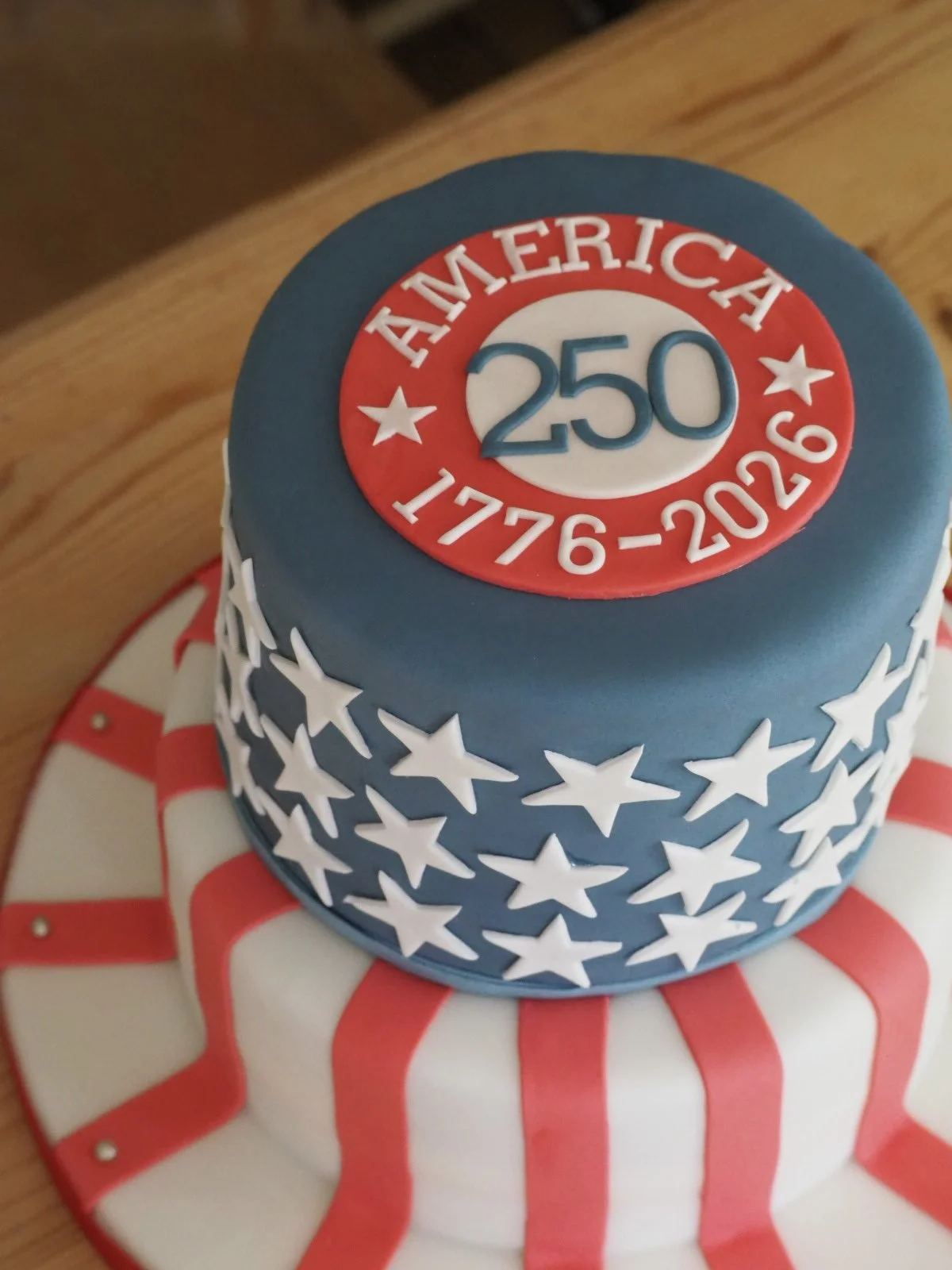
Last minute cake order for a 4 July party in Liverpool and my first stars and stripes cake.
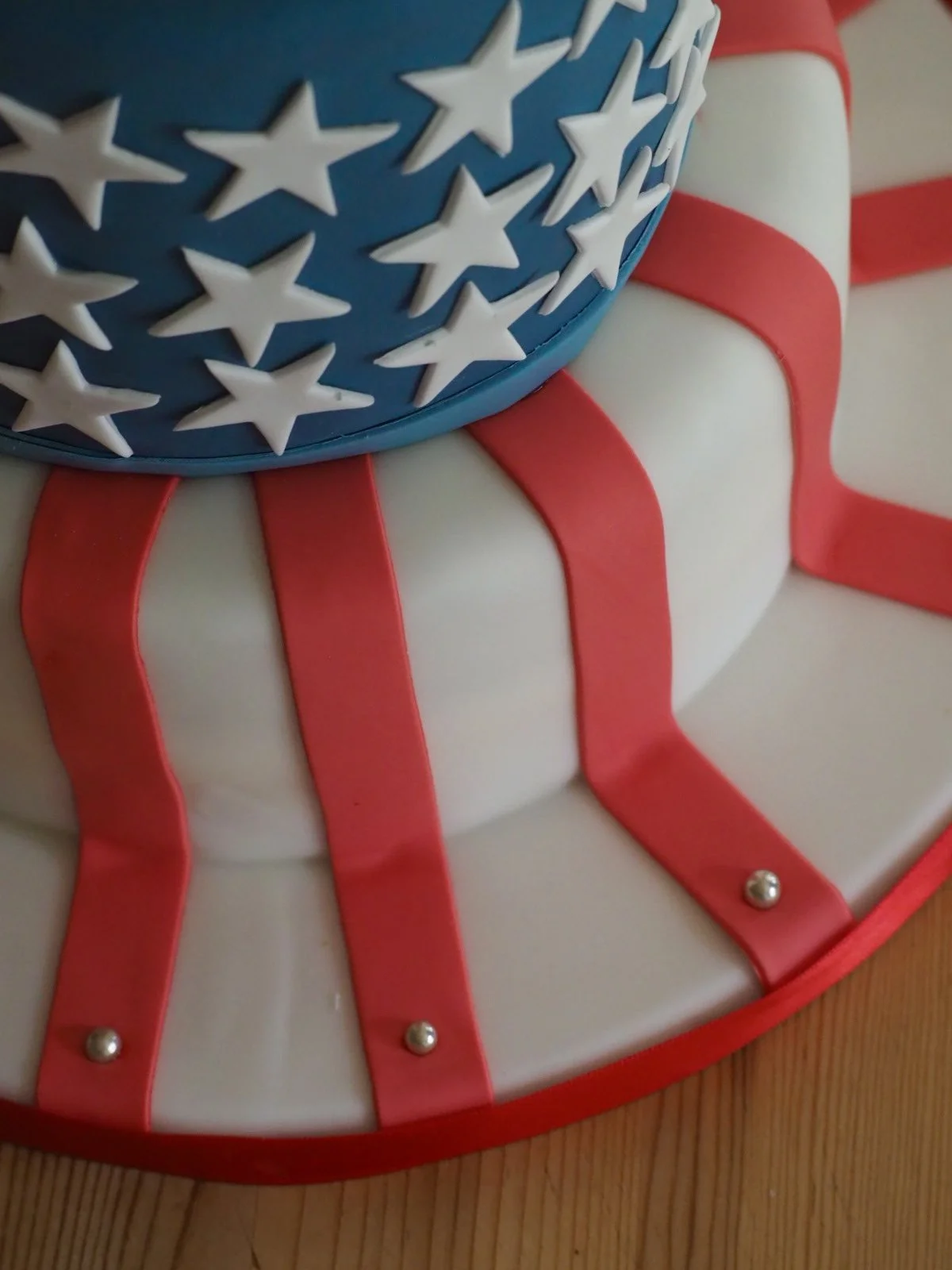
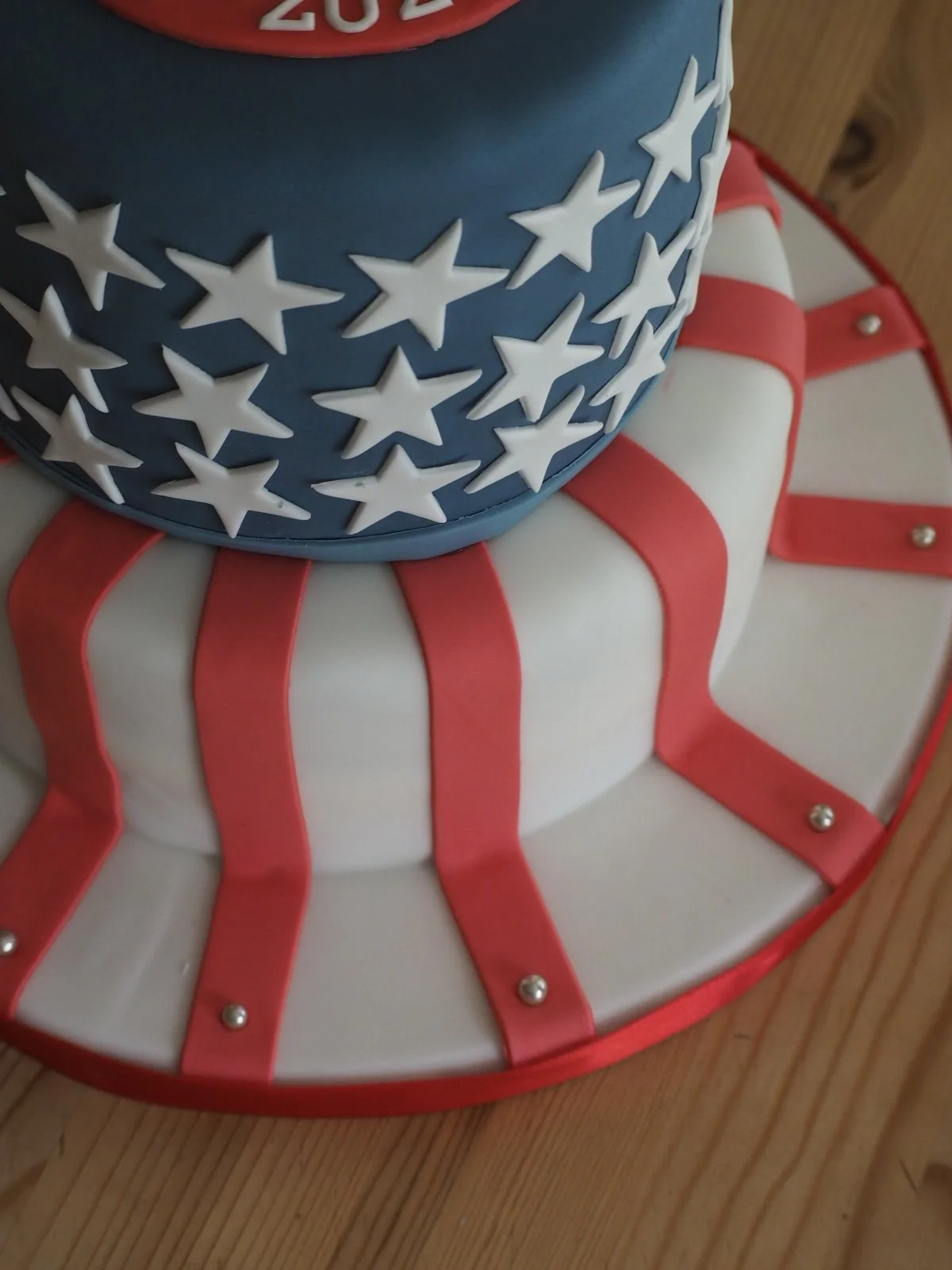
So after googling “4 July cake” and needing an immediate lie down, I decided to go for the elegant understated version. 2 tiers of spiced carrot cake layered with soft vanilla buttercream.
The eagle eyed among you might notice that my flag is anatomically correct.
50 stars representing the 50 states united.
13 stripes representing the 13 colonies who won independence from Britain in the American Revolutionary War.
Here’s some more fun facts to cheer your day (from the NFF National Flag Foundation)
There have been 27 official versions of the flag.
The original 1777 design carried 13 stars and 13 stripes for the 13 colonies. As each new state joined the Union, a star was added. The current 50-star flag, adopted in 1960, is the longest-serving version in American history.
A 17-year-old designed the flag we fly today.
In 1958, Ohio high schooler Robert G Heft created the 50-star design for a class project, anticipating that Alaska and Hawaii would soon join the Union. His teacher gave him a B minus. When Congress chose Heft's design two years later, the grade was changed to an A.
The colors were chosen for their meaning.
Red, white, and blue were not picked simply because they looked striking together. Drawing on the symbolism of the Great Seal, red stands for hardiness and valor, white for purity and innocence, and blue for vigilance, perseverance, and justice.
It can fly around the clock, if it is lit.
The US Flag Code calls for the flag to be displayed from sunrise to sunset. But it may fly 24 hours a day as a patriotic gesture, provided it is properly illuminated through the night.
Six American flags stand on the Moon.
Apollo astronauts planted a flag on each of the six crewed lunar landings. Decades of unfiltered sunlight have likely bleached them white, but they remain, the only flags of any nation on another world.
The flag has its own code of conduct.
Adopted in 1942, the U.S. Flag Code sets out how the flag should be displayed, handled, and respected, from how it is raised and lowered to how it should never touch the ground.
"Old Glory" began as one specific flag.
The nickname now belongs to the whole Stars and Stripes, but it started with a single banner owned by sea captain William Driver, who named his flag Old Glory in 1831 and protected it through the Civil War.
Worn flags receive a dignified retirement.
When a flag becomes too tattered to display, it is not thrown away. Flag etiquette calls for it to be retired in a respectful ceremony, traditionally by burning, often led by veterans or scouting organizations.
The flag is folded 13 times.
At a military funeral, honor guards fold the flag into a tight triangle with 13 precise folds, leaving only the blue field and stars visible. Many associate a special meaning with each fold.
The U.S. flag dips to no one.
By custom, the American Flag is not lowered to any person or thing. The tradition is often traced to the 1908 London Olympics, where the American flag bearer reportedly refused to dip the colors before the royal box.
If this has inspired your next party or gathering, get in touch via the Contact Page, and we can chat.
That’s all for now
Judith x